


Jewel Moody’s Journey at Summer’s DanceWorks
Jewel Moody started dancing at Summer’s DanceWorks when she was just 18 months old. Years later, she has grown from the little girl watching the older dancers into an elite dancer inspiring the next generation. Her story is one of confidence, growth, friendship, and the lasting impact of a studio that has always felt like family. Photo: Bella Photography AZ

Some dancers find dance later in life. Jewel Moody found it before she could say the word. She was just 18 months old when she first started dancing at Summer’s DanceWorks, which means she has quite literally grown up inside the studio.
While she admits she does not remember every detail from those earliest years, one memory has stayed with her: watching the older girls dance. For a little girl just beginning her own journey, those dancers represented something bigger. They were graceful, confident, strong, and inspiring. They showed her what was possible, even before she fully understood the work it would take to get there.
At the time, Jewel was the younger dancer looking up, taking it all in and dreaming of what it might feel like to dance like them one day. Years later, she has become one of the dancers others are now watching. The little girl who once looked up to the older dancers is now becoming that same source of inspiration for someone else.
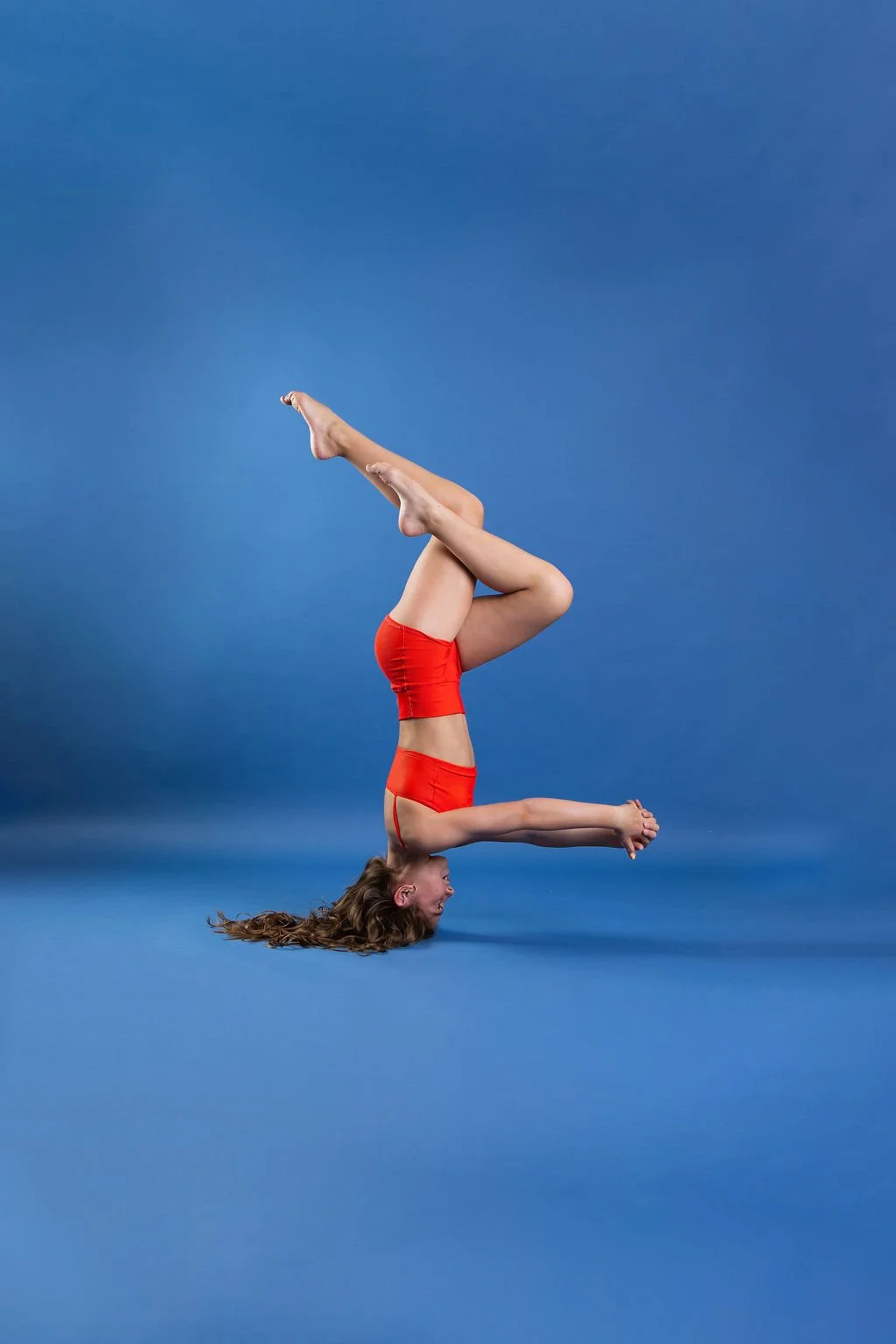
That “full-circle” feeling is part of what makes Jewel’s story so special. Dance was never just an activity she did for a season. It became something she returned to again and again because she could see herself improving. That progress kept her motivated. Each year brought new challenges, new skills, and new reasons to keep going.
But it was not just the dancing that made her stay. It was also the people. Jewel describes Summer’s DanceWorks as a place where dancers are surrounded by a true family atmosphere. Where dancers feel supported, encouraged, and known. For Jewel, that sense of belonging has been just as meaningful as the training itself.
“I think what has kept me dancing all these years is seeing how much I’ve improved and wanting to see how much further I can go. Everyone is so supportive, and they really make you feel like family.”

Now, as an elite dancer, Jewel understands something she used to only see from the outside. When she was younger, she noticed the impact the older elite dancers had on the girls coming up behind them. She watched them, learned from them, and probably wondered what it would feel like to be in their shoes one day.
Today, she is the one leaving that impact. That realization is not lost on her. She loves being an elite dancer because she knows younger dancers are paying attention. They are seeing what commitment looks like. They are seeing what growth looks like. They are seeing someone who started small, stayed with it, and kept showing up.
Dance and choreography pioneer Ted Shawn once said, “Dance is the only art where we ourselves are the stuff of which it is made.” For Jewel, that feels especially true. Her story is not just about the steps she has learned or the performances she has given. It is about the person she has become through dance, and the way that growth now inspires the younger dancers watching her.
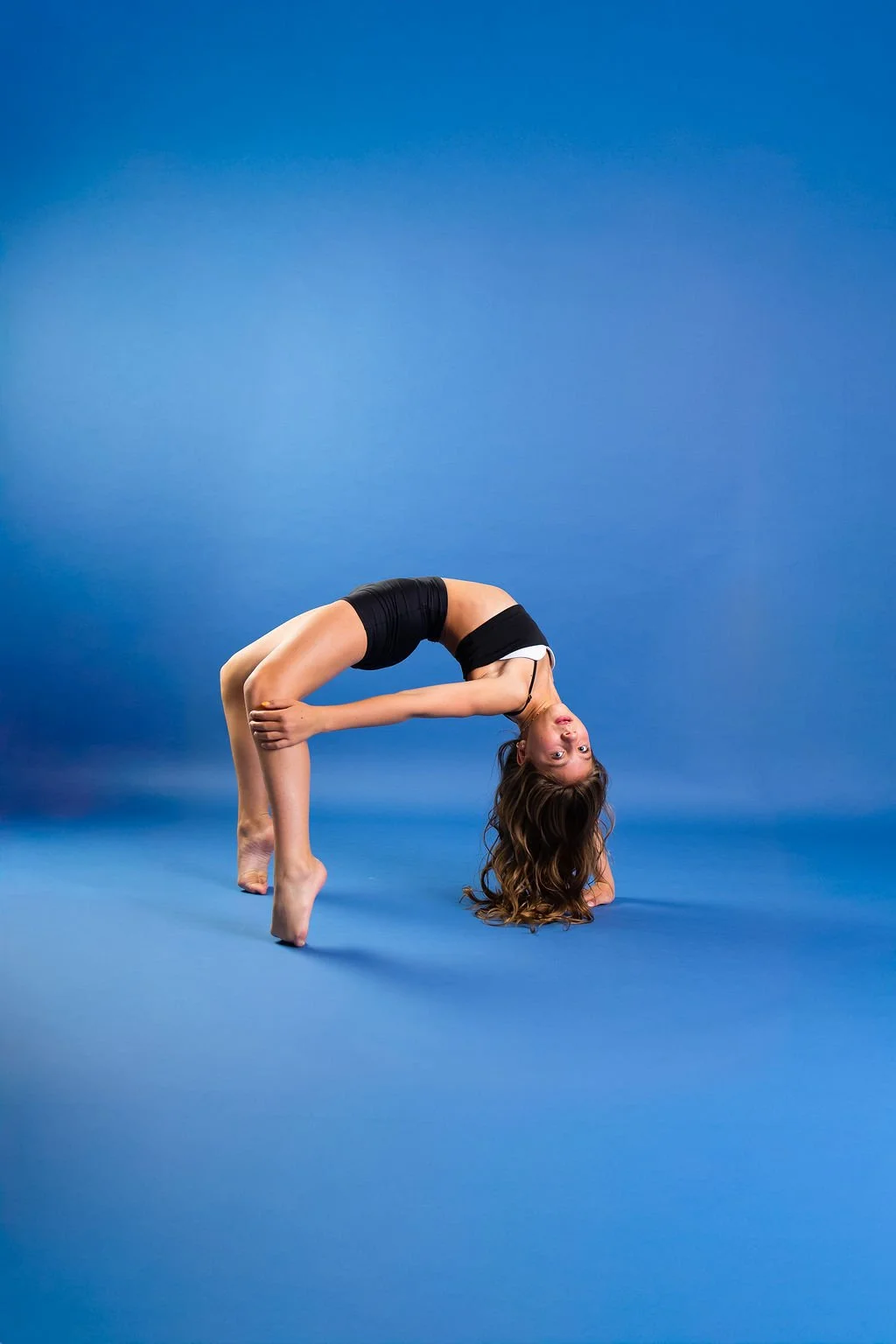
Jewel’s growth as a dancer has been impressive, but what stands out most is the way she talks about how dance has changed her as a person. She says dance has made her more empathetic, more supportive, more confident, and more outgoing. It has helped pull her out of her shell.
It has also helped her mature as a dancer, giving her the ability to “shape-shift” from one dance to the next. That is such a beautiful way to describe the art of it. A dancer has to be strong, but also soft. Focused, but also expressive. Technical, but also emotional. Jewel has learned how to carry all of those things at once.
“Dance has not only made me a better dancer, it has made me a better person. It has helped me become more confident, more empathetic, more supportive, and more mature.”
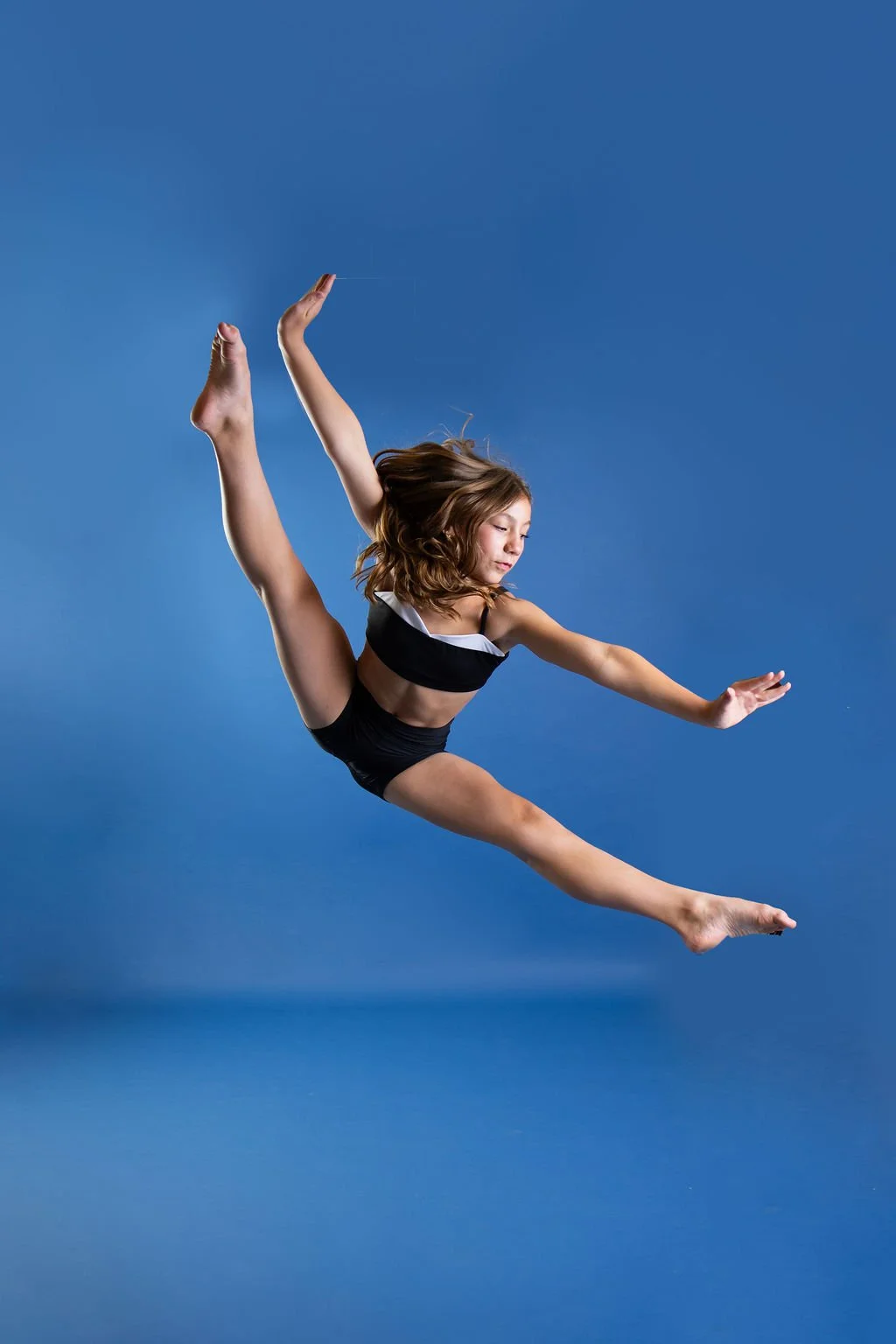
Like many dancers, Jewel has also had to work through comparison, which she says has been one of the hardest parts of dance. It can be a heavy thing for any young person, especially in an art form where you are constantly looking in mirrors and standing beside other talented dancers.
Jewel says she has learned to work through it by loving herself, putting herself first, and not worrying so much about what others are doing. It sounds simple, but it is the kind of lesson many adults are still learning too.
One of Jewel’s favorite memories at Summer’s DanceWorks says so much about her journey. She was performing a variation on pointe, and it was the first time Miss Summer had seen it. Miss Summer started crying, gave Jewel the biggest hug, and told her it was such a full-circle moment.
For Jewel, that memory meant so much because it showed how far she had come, but also the kind of love and support that exists inside the studio. She says the teachers at Summer’s are not just teachers. They are her biggest supporters, her biggest fans, and people she can go to when she needs something.
That kind of environment matters. Technique can be taught and steps can be corrected, but when a young person feels truly supported, confidence has the space to grow.

When asked what she would say to a younger dancer just starting at Summer’s DanceWorks, Jewel’s advice is simple and honest. Yes, it will get hard sometimes. But it is important to remember that you have a big support system around you. She would also tell younger dancers to make friends, because over the years, those friends become lfe long best friends. That may be one of the most meaningful parts of growing up in a studio. The same dancers who are next to you at the barre, backstage with you at performances, and beside you through long practices often become the people who grow up with you.
Jewel also believes becoming an elite dancer takes more than talent. It takes never giving up. It takes showing up when others do not want to. It takes pushing through when things get hard. And, as she says, it takes remembering your roots, because those are even more important than the hard stuff.
“To become an elite dancer, you have to never give up. You have to keep showing up, even when it gets hard, and always give your best. But you also have to remember your roots, because those are even more important than the hard stuff.”

For Jewel, what makes Summer’s DanceWorks so special is Miss Summer herself. She says Miss Summer brings a bright light wherever she goes, is never afraid to be herself, and has created a studio that will always carry her magic. After hearing Jewel’s story, it is easy to understand why. Summer’s DanceWorks has been so much more than a place where Jewel learned to dance, it is where she grew up, where she found confidence, built friendships, learned resilience, and discovered how much she was capable of.
Over the years, the studio became a place where she could be challenged, encouraged, and fully herself. And somewhere along the way, Jewel became the kind of dancer a younger version of herself once looked up to.